The Science Behind Bungee Fitness | How It Works & Why It’s Effective
The Science Behind Bungee Fitness
Bungee fitness may look like a fun, high flying workout, but behind the motion is a smart, science backed method for improving strength, endurance, coordination, and joint health. It combines elements of resistance training, plyometrics, and suspension exercise all while minimizing the stress on your joints.
This training method isn’t just for show. The science behind bungee fitness explains why it’s effective for all fitness levels and why so many people are turning to it as a long-term solution for full-body conditioning.
How Bungee Fitness Works
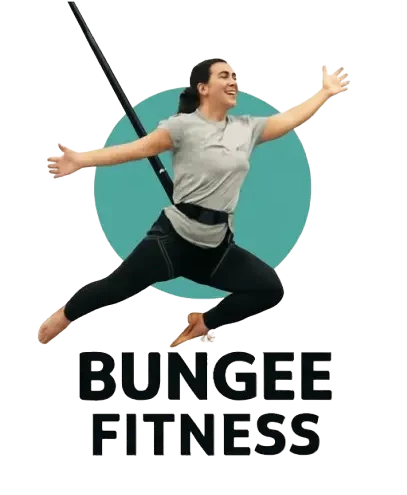
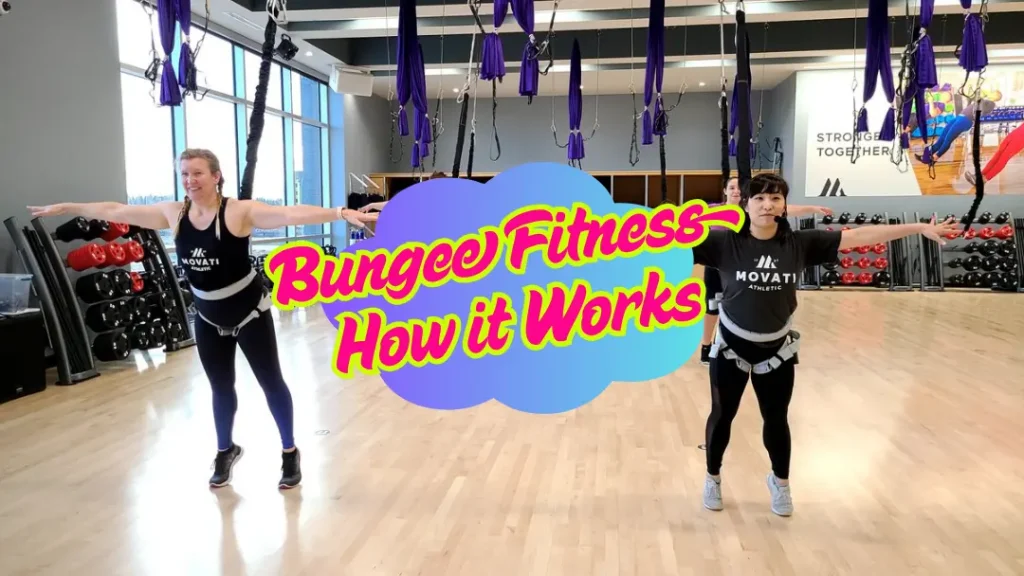
Bungee fitness uses a resistance cord and harness system that partially suspends your body during movement. That suspension changes how your body responds to motion. The bungee cord provides constant resistance while also reducing the impact of gravity. It’s a blend of support and challenge
When you jump or lunge in a bungee harness, the cords absorb some of your body weight and then rebound. That rebound creates natural resistance on the return, so your muscles work harder on both the upward and downward movements. This type of resistance is called eccentric and concentric loading, which is key for muscle development and joint stability.
Muscle Activation in All Planes of Motion
In most traditional workouts, you move in one or two directions—forward, backward, maybe side to side. But bungee training works your body in multiple planes of motion. You’re twisting, turning, bouncing, balancing, and reacting to resistance from multiple angles.
That activates more stabilizer muscles, particularly in your core, hips, glutes, and shoulders. These are the muscles that keep your body aligned and injury free during everyday activities. Over time, bungee training improves not only strength but movement quality.
The unstable nature of the suspension also boosts neuromuscular coordination, forcing your brain and body to communicate faster. That improves your balance, timing, and ability to adjust in motion all benefits you take with you into other sports or activities.
Low Impact, High Efficiency
One of the main advantages of bungee fitness is its low-impact nature. Traditional cardio workouts like running, jumping, or HIIT often put strain on knees, ankles, and the spine. Bungee fitness reduces that load significantly by absorbing impact through the harness and cords.
Because you’re supported while still moving dynamically, you get the cardiovascular benefits of high-intensity training without the wear and tear. This makes it ideal for people with joint pain, past injuries, or anyone who wants to stay active without risking setbacks.
Research on low-impact resistance training shows it can be just as effective as high-impact training when it comes to fat loss, muscle tone, and overall fitness especially when combined with full-body movement like bungee offers.
Cardiovascular and Metabolic Benefits
Bungee fitness isn’t just for strength. The non-stop, bounce-driven motion elevates your heart rate fast. Most classes include short bursts of high-intensity movement followed by brief recovery, which mimics the interval training model proven to burn fat and improve heart health.
This format boosts VO2 max (your body’s ability to use oxygen efficiently), speeds up metabolism, and increases post-workout calorie burn through what’s known as EPOC excess post-exercise oxygen consumption. That means your body keeps burning calories even after class ends.
For people aiming to lose weight or improve endurance, bungee fitness offers a way to train intensely without the physical punishment of traditional HIIT.
Core Stability and Functional Strength
Nearly every move in a bungee workout requires core engagement. Because you’re suspended, your body constantly works to stabilize itself. This isn’t isolated ab work it’s full-core training that includes your deep stabilizers, obliques, lower back, and hips.
This kind of training carries over into real life. Whether you’re lifting groceries, climbing stairs, or chasing after your kids, your body learns to move better under pressure. That’s what functional strength is all about and it’s at the center of bungee fitness.
Ready to gear up? Check out the best bungee class gear and outfits
Hormonal and Mental Health Effects
Exercise science also tells us that enjoyable movement increases consistency and consistency is where results come from. Bungee fitness is enjoyable by design. The flying, bouncing, and rhythmic motion trigger dopamine and serotonin release, which are the brain’s feel-good chemicals.
Combined with the stress-reducing effects of movement and the support of a group class, bungee fitness helps regulate mood, improve focus, and support better sleep. These are benefits that go beyond the physical they impact how you show up in your everyday life.
Why It Works for All Fitness Levels
Because bungee fitness relies on resistance that can be scaled, it works for beginners, older adults, athletes, and people recovering from injury. You can start with gentle movement and build up intensity gradually. The cords and harness system reduce your bodyweight load, which makes difficult movements more accessible while still challenging.
It also offers adaptive feedback your body learns how to adjust in real time, improving coordination and building trust in movement. That’s powerful for people who’ve struggled with exercise due to pain, fear of injury, or low confidence.
Conclusion
Bungee fitness might look like fun and games, but underneath the bounce is serious exercise science. By combining resistance, cardio, core control, and low impact motion, it delivers a full-body workout that supports long term health and sustainable results.
Whether you’re training for strength, looking to protect your joints, or just want a workout that feels good and keeps you coming back, bungee fitness is backed by the kind of science that proves it works.
